
A Mural Honoring the legacy of

Henrietta Lacks

800 N. Washington St.

Baltimore, MD

The Mural at 800 N. Washington St.

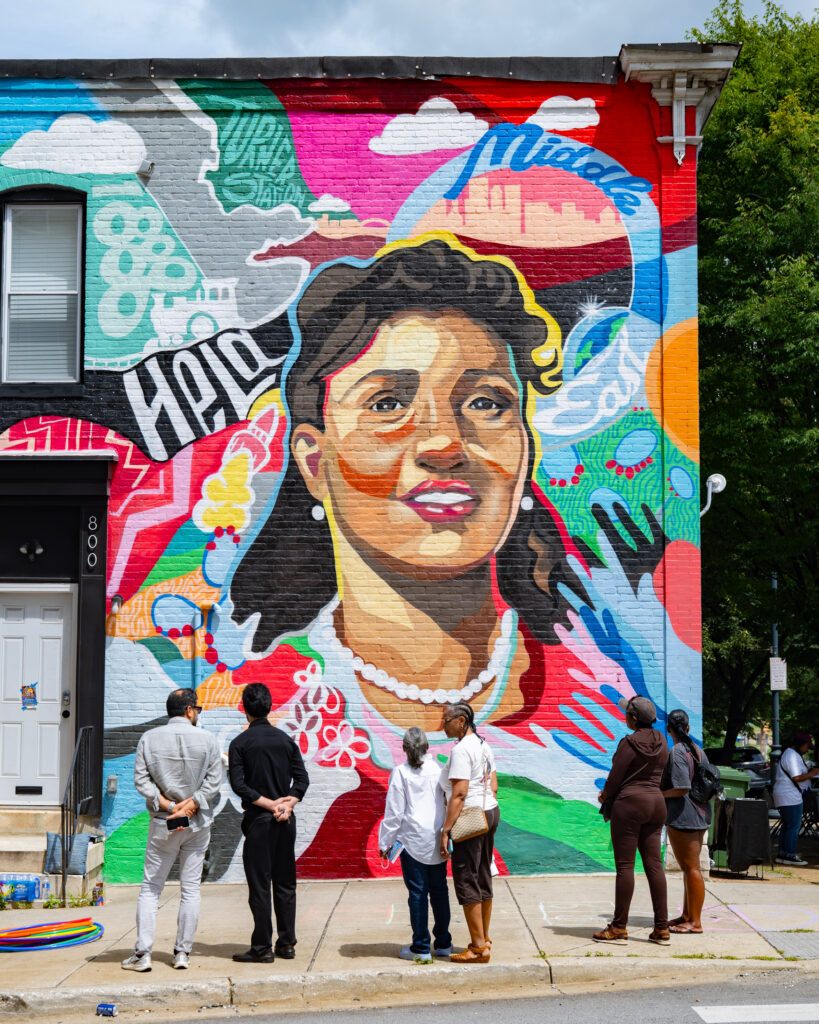
Positioned at the intersection of East Baltimore and the Johns Hopkins medical campus, the wall is both a marker and a mirror. It greets thousands of visitors driving into the city each day, ensuring that Henrietta’s legacy—and the resilience of this neighborhood—cannot be overlooked.

The Mural at 800 N. Washington St.

Positioned at the intersection of East Baltimore and the Johns Hopkins medical campus, the wall is both a marker and a mirror. It greets thousands of visitors driving into the city each day, ensuring that Henrietta’s legacy—and the resilience of this neighborhood—cannot be overlooked.

The Mural at 800 N. Washington St.

Positioned at the intersection of East Baltimore and the Johns Hopkins medical campus, the wall is both a marker and a mirror. It greets thousands of visitors driving into the city each day, ensuring that Henrietta’s legacy—and the resilience of this neighborhood—cannot be overlooked.

The Process

Open Call

The project began with an open call, drawing over 50 artist submissions.
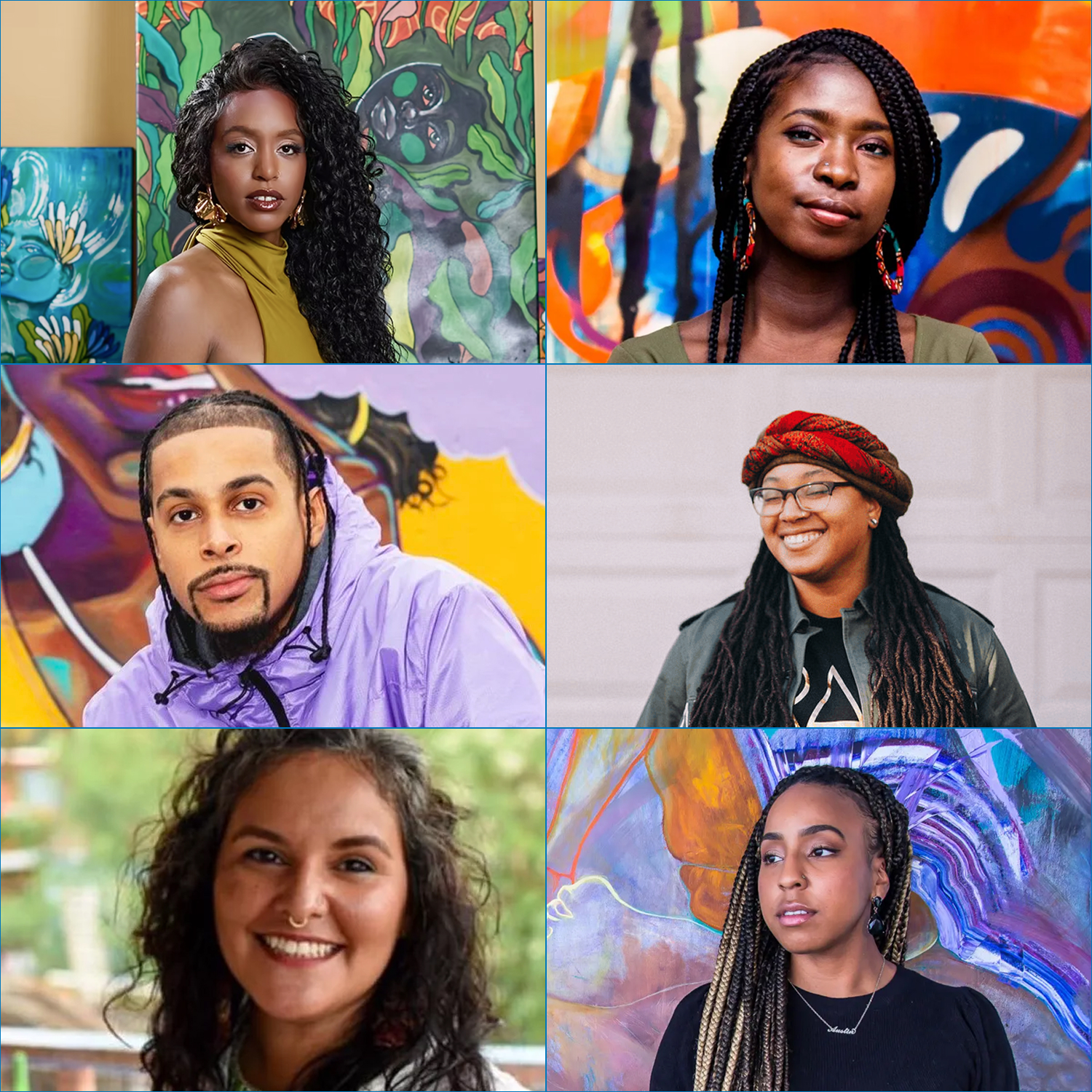
Finalists Selected

Six artists were chosen based on their vision, storytelling, and connection to community.
Community Collaboration

Finalists met with the Lacks family and local voices to shape a more meaningful narrative.
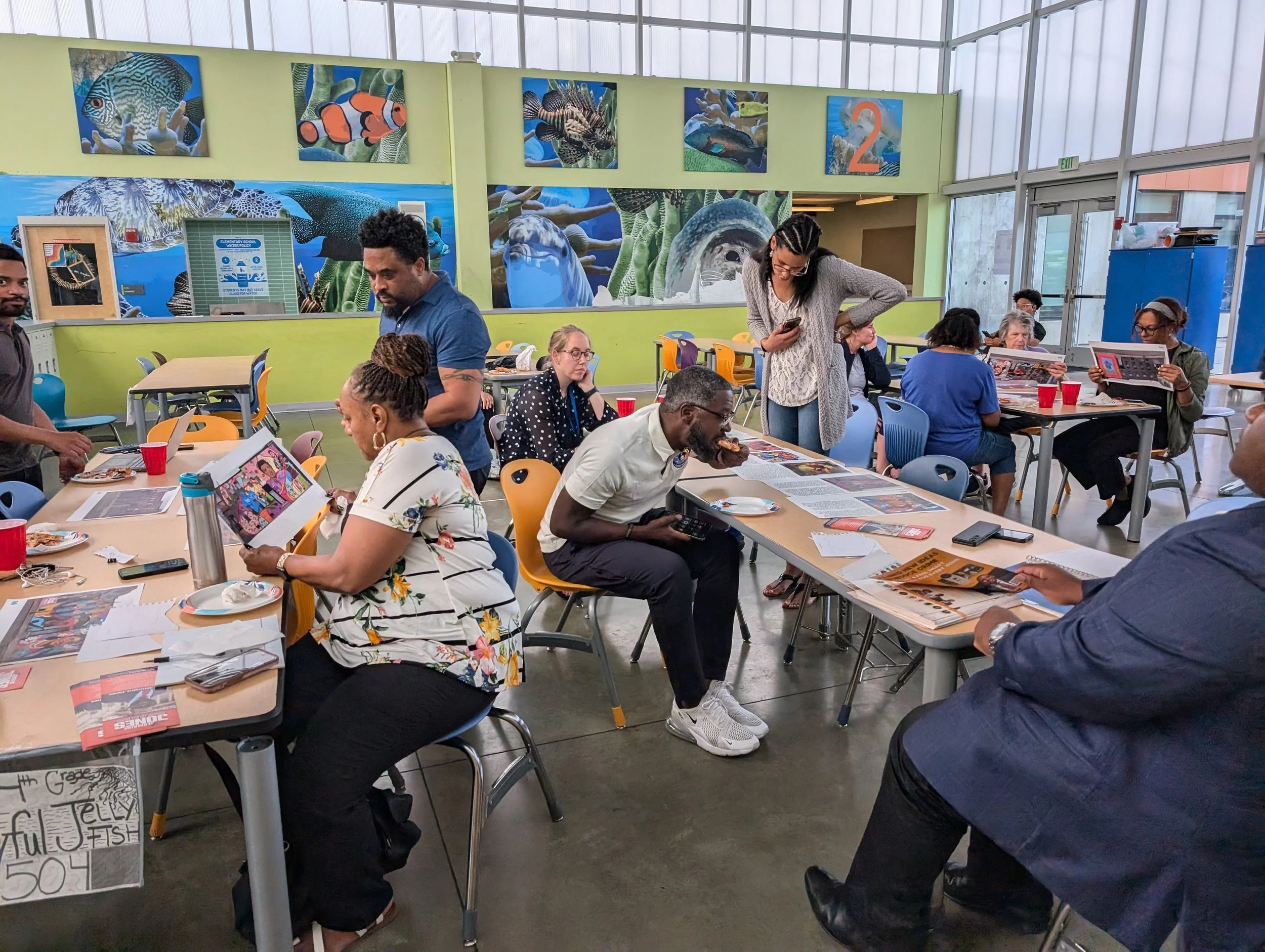
Community Choice

Residents reviewed anonymous concepts, selecting both the final design and the artist to bring it to life.

Collective Creation

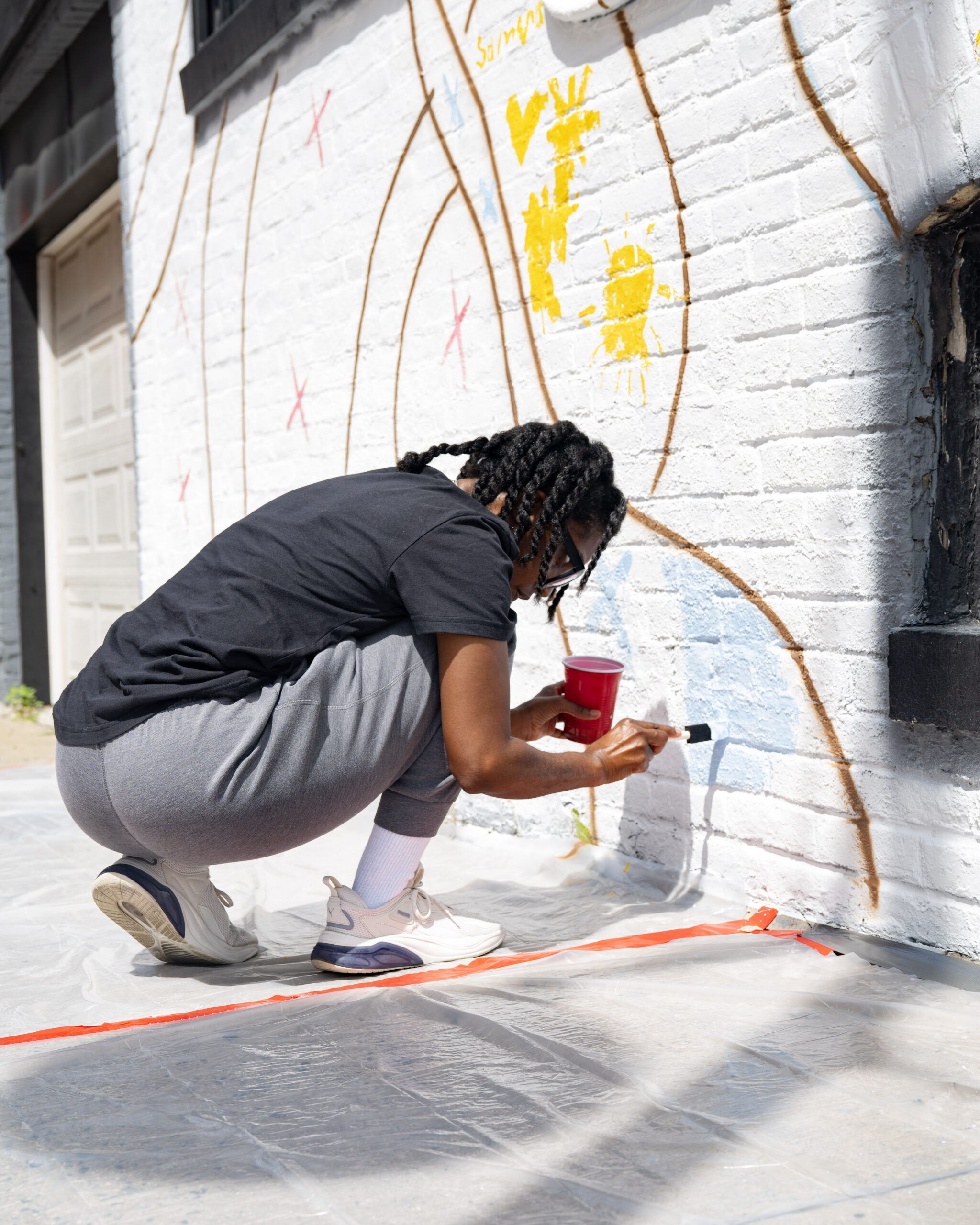
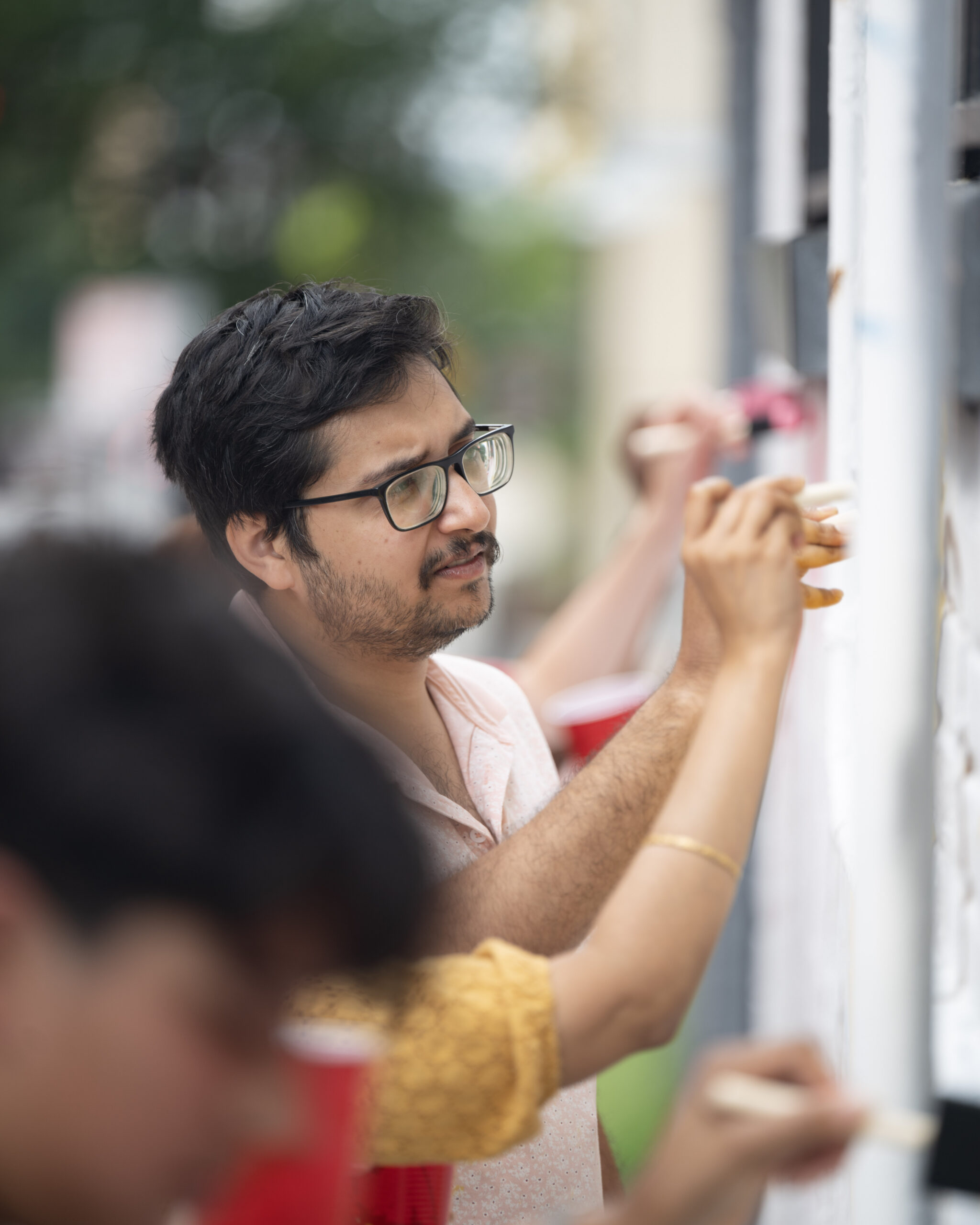
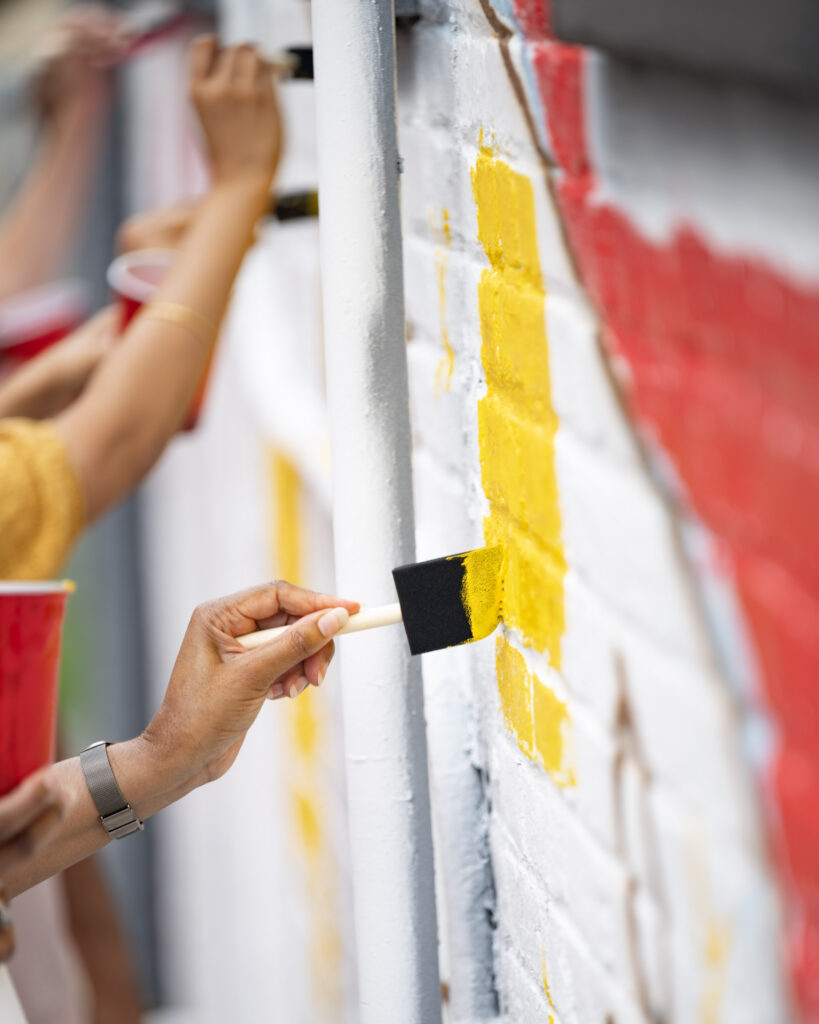
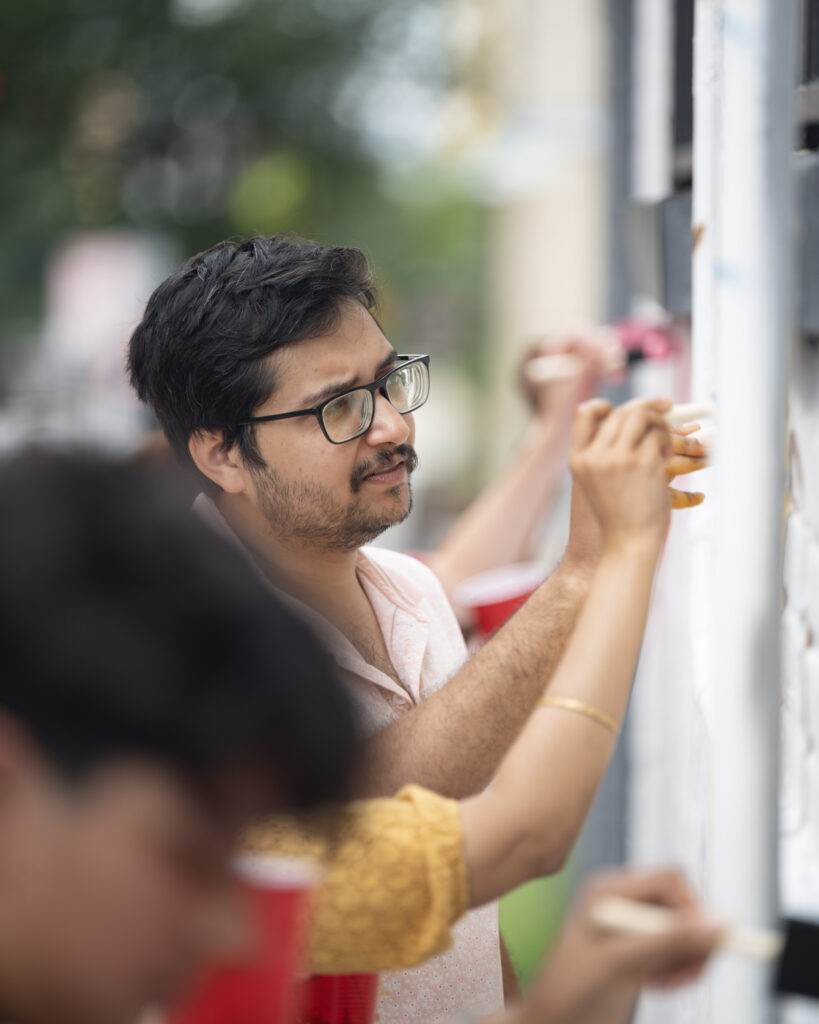
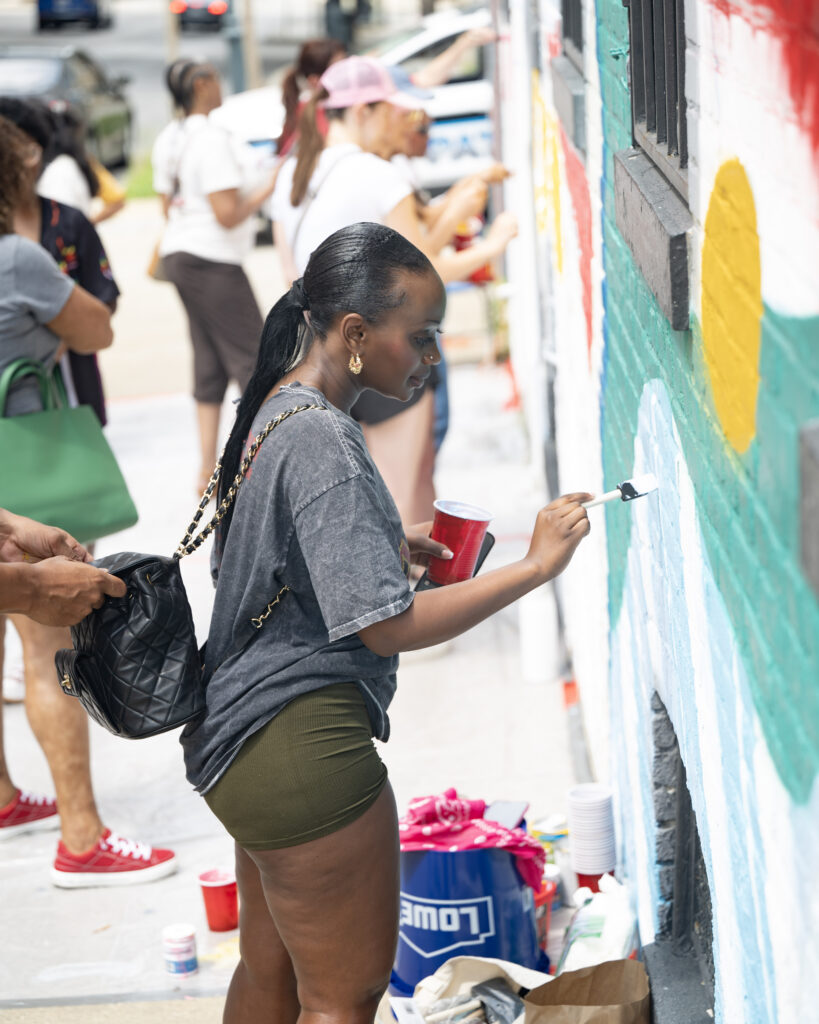
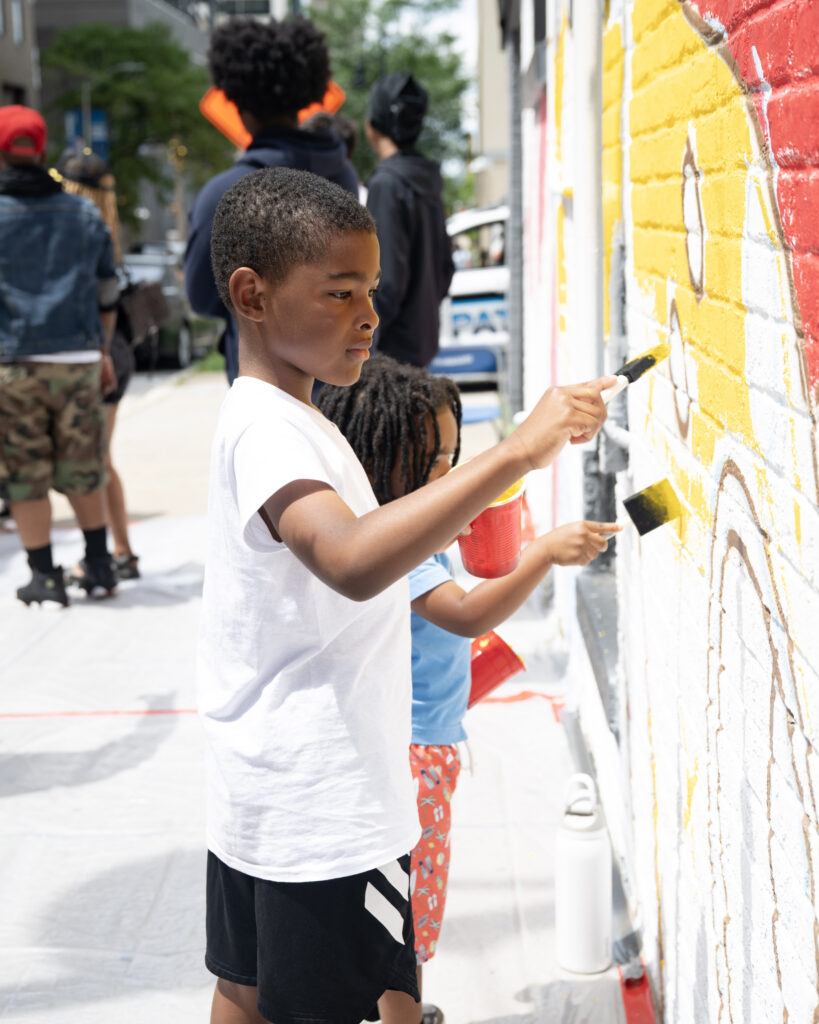
Neighbors came together to paint the mural, turning the vision into a shared, living legacy.

A True Community Effort

Unveiling Ceremony

About Henrietta Lacks

Henrietta Lacks was born Loretta Pleasant on August 1, 1920, in Roanoke, Virginia, to Eliza and Johnny Pleasant. After her mother died giving birth to her tenth child, fouryear- old Henrietta—known affectionately as “Hennie”—was raised by relatives in Clover, Virginia.

Henrietta was remembered for her warmth, generosity, and love of cooking, music, and dancing. She died on October 4, 1951 of cervical cancer, at the age of 31, leaving behind her husband and five children. Though her life was cut short, Henrietta’s story and legacy continue to inspire generations.

Timeline of a Legacy

1920

Born Loretta Pleasant on August 1, 1920 in Roanoke, Virginia to John R. Pleasant (1881–1969) and Eliza Lacks (1880–1924).

1924

Adopted by relatives after her mother’s death on October 28, 1924.

1940

1940 Appears in the 1940 United States Census in the home of David Lacks in Roanoke, Virginia. Listed as a “Cousin”. Dated April 16, 1940.

1940

Marriage to David Lacks on April 10, 1940 in Clover, Virginia. Married by Rev. B. McCargo at the Missionary Baptist Church in Clover.

1950

Listed in the 1950 United States Census in the house of David Lacks. Listed as “Wife” residing at 713 New Pittsburg Avenue, Baltimore, Maryland. Occupation listed as “Keeping House”. Children within the household are listed as Lawrence (15), Elsie (Age 10), David (2), Deborah (listed as having been born in November. The census enumerator visited the home on April 13, 1950, making Deborah approximately five months old).

1950

November, 1950 — Gave birth to Joseph Lacks, her youngest child.

1951

January 29, 1951 — Mrs. Lacks visited Johns Hopkins Medical Center for complaints about a “knot” in her womb. While she had previously complained about this issue, initially it was mistaken for her last pregnancy.

1951

After giving birth to her youngest child and still experiencing discomfort she returned to the hospital where she was informed that she had malignant epidermoid carcinoma on her cervix. In the year 1970, scientists uncovered that she had in fact been misdiagnosed. She actually had adenocarcinoma.

1951

August 8, 1951 — Admitted to Johns Hopkins for severe abdominal pain. Received several blood transfusions.

1951

October 4, 1951 — Died.

About The Artist

The mural process began with an open call that drew more than 50 submissions. In partnership with the Maryland State Arts Council (MSAC), criteria were carefully developed to guide the selection — prioritizing female-identifying artists, particularly those whose lives had been touched by illnesses connected to Henrietta’s HeLa cells.

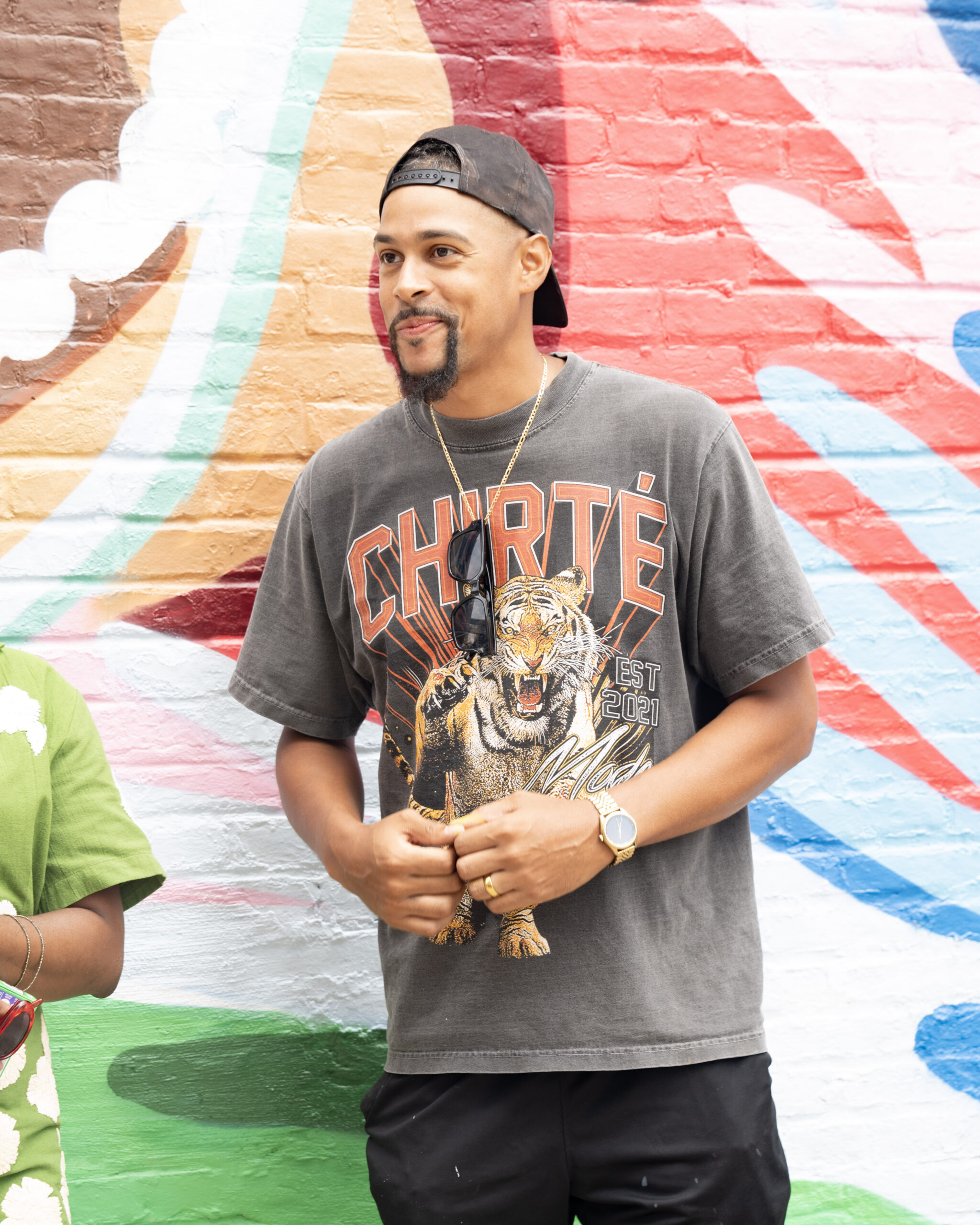
Shawn Perkins was unanimously selected as the finalist. His design stood out for its storytelling depth and his long-standing commitment to community work — making him the artist to bring this vision to life.

Partners & Sponsors

Visit The Mural